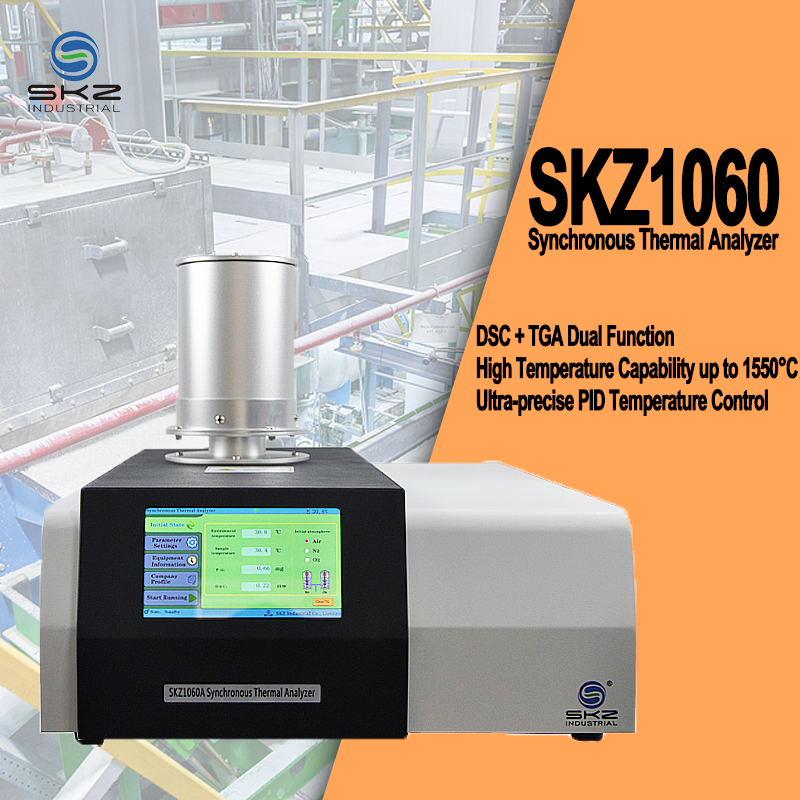
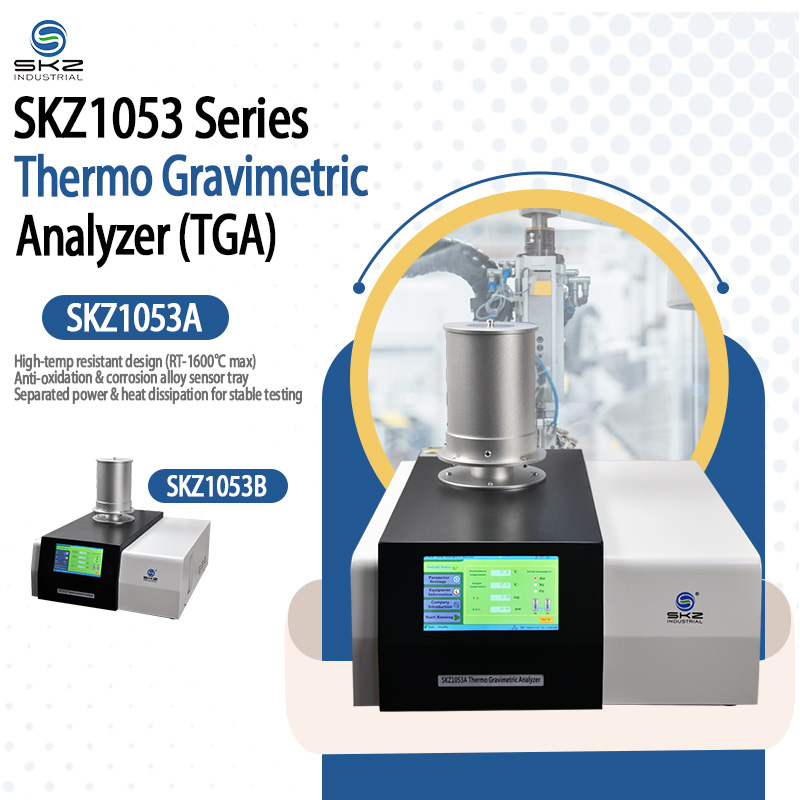
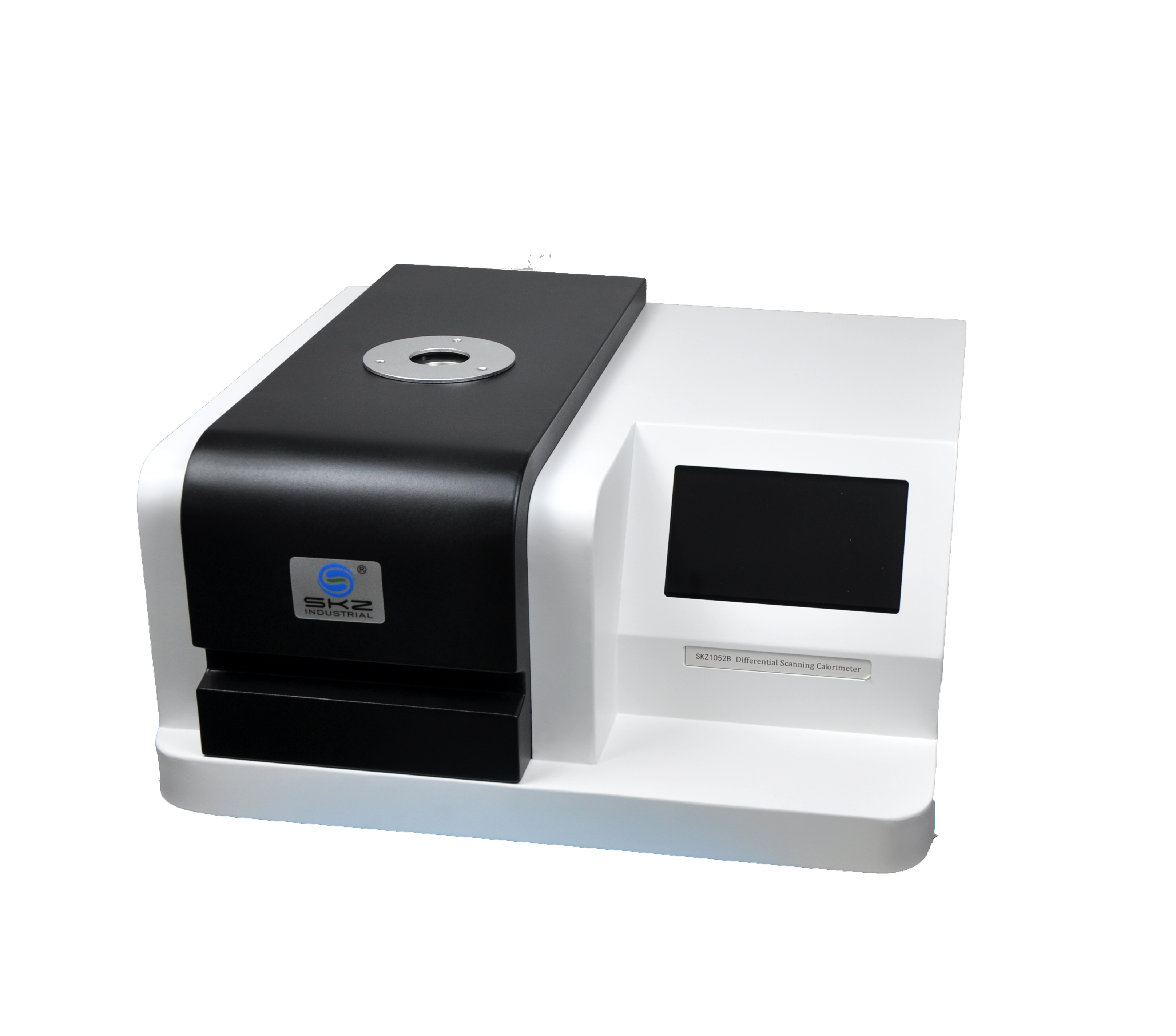
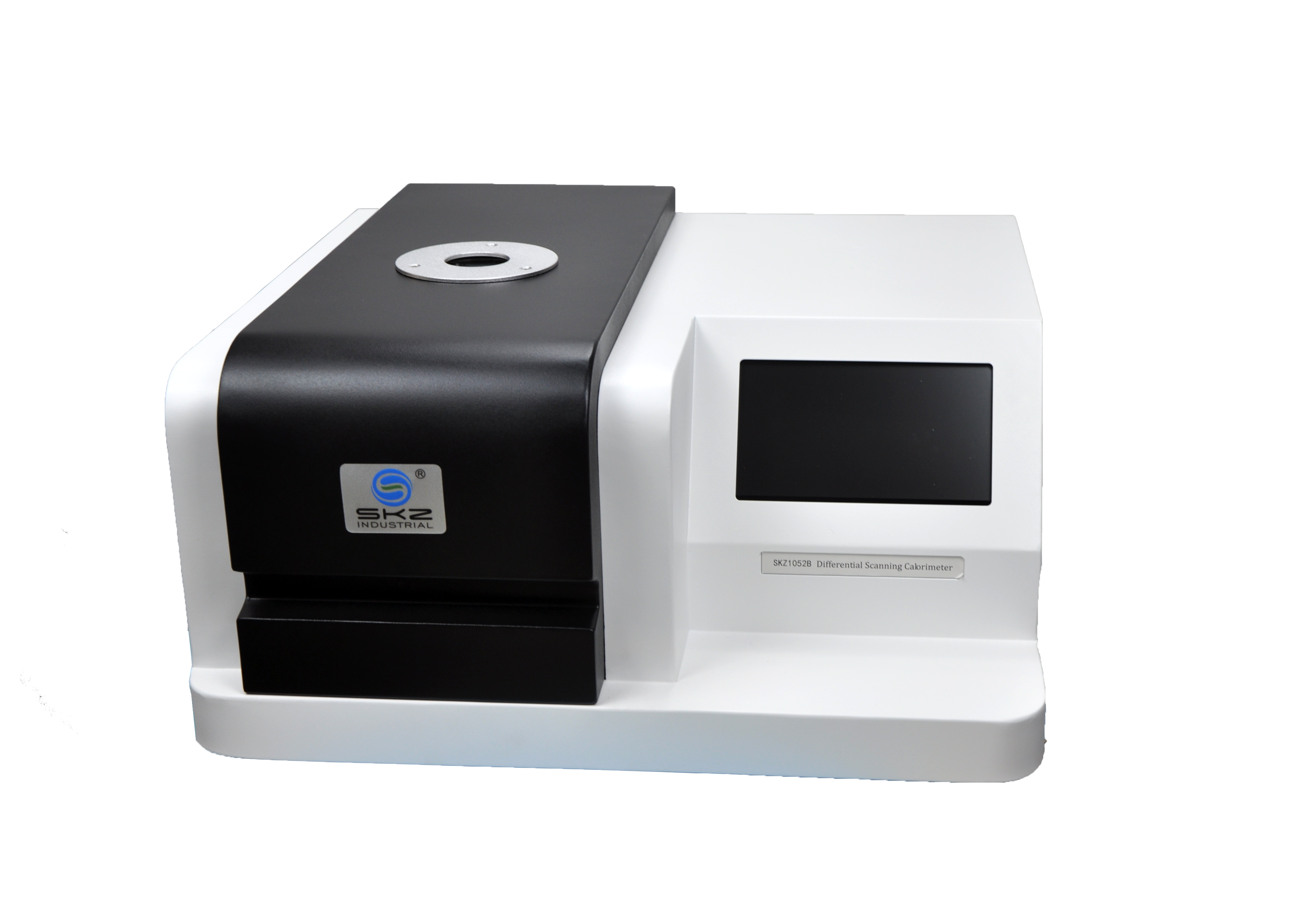
Thermal Performance Testing, and Quality Control in Aerospace, Metallurgy, Chemical Engineering, and Advanced Manufacturing with Ultra-Precise Temperature Measurements and Controllable Atmosphere Conditions Will Provide Reliable and Repeatable Thermal Test Results. In Order to Comply with Global Standards for Regulatory Compliance and Data Traceability, Thermal Testing Equipment Must Provide Extreme Precision in Measurement and a Wide Range of Operating Temperatures with Intelligent Environmental Control. The SKZ1052 High Temperature Tester was Developed to Meet Industrial Thermal Testing Requirements at the Highest Level, with a Temperature Resolution of 0.001° C and a Wide Working Range from Room Temperature to 550° C, and Automatic Switching of Gaseous Nitrogen and Oxygen at a Fast and Stable Rate for Efficient Atmospheric Control. The 7" Touch Screen Makes It Easy to Use and Interfaces with All ASTM, ISO, and CE International Standards for High-Precision Thermal Test Data and Thermal Stability of Materials, Phase Transitions, and High-Temperature Test Absence of Data Traceability. In Addition, This High-Precision Tester Provides Users with Consistent and Precise Thermal Data Regarding the Thermal Stability of Materials, Phase Change of Materials, and High-Temperature Performance of Materials in Industrial Laboratories, Research and Development Centres, and Quality Control Departments Globally. 1. Ultra-Precision Temperature Performance (0.001° C Resolution, RT - 550° C Wide Operating Range): The Ultimate Temperature Measurement & Control Capability of the SKZ1052 is Unmatched Since the SKZ1052's Temperature Resolution of 0.001° C and Its Room Temperature (RT) to 550° C Wide Operating Range Have Become the New Benchmark for Accurate High-Temperature Tests in Industrial Material Testing. Therefore, the Use of 0.001° C Resolution Data Captures Extremely Small Fluctuations in the Temperature During Thermal Tests and Will Allow Accurate Identification of Material Behaviors Associated with Low-Temperature Phase Changes, Thermal Expansion Small Changes in the Material, and Specific Temperature Change(s) That Cannot Be Determined by Other Performers Utilizing 0.01° C Resolution Testing.
 Hot News
 EN
EN