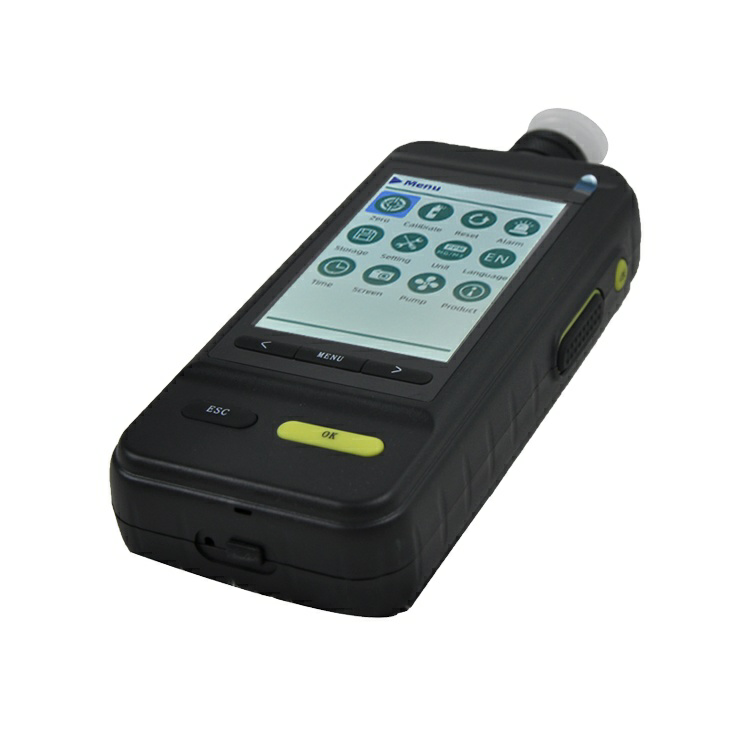
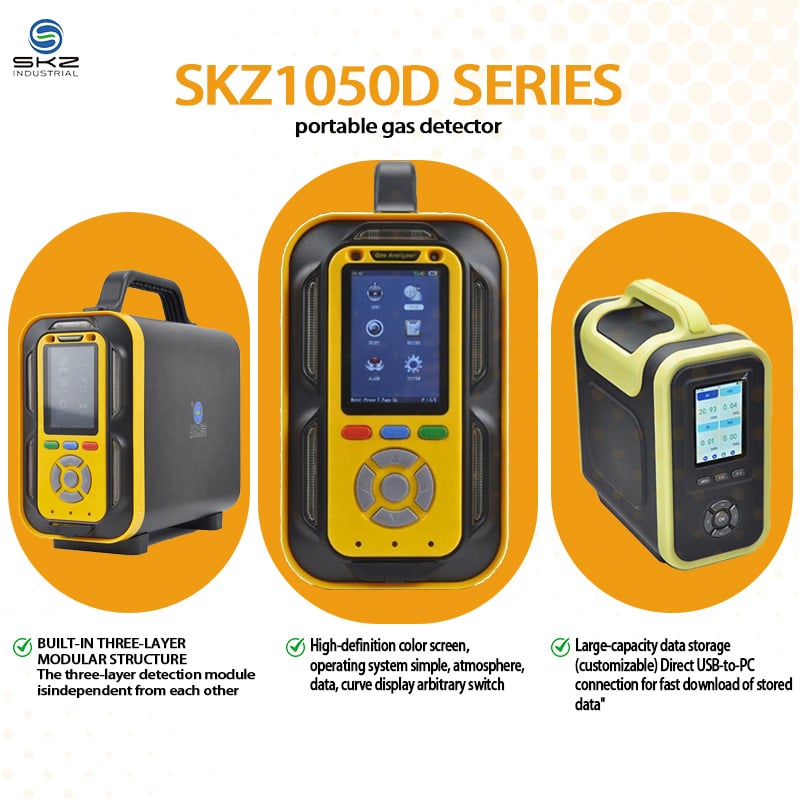
Dust monitors play a key role in checking air quality by tracking how much particulate matter floats around in different spaces. Workers need these tools because tiny particles floating through the air can actually harm their lungs, especially in places like mines or construction zones where dust is everywhere. There are basically two main kinds out there right now portable versions that people move around when they need quick checks at job sites, and permanent installations that stay put to keep watching conditions over time. Real time data really matters though nobody wants to wait days for test results when something might already be dangerous. Cities dealing with pollution problems and factories worried about worker safety both rely on this instant feedback to take action fast. From busy intersections choked with traffic to warehouses filled with machinery, getting accurate readings quickly makes all the difference between healthy air and potential health hazards down the road.
Today's dust monitoring equipment relies on pretty advanced tech, with things like laser sensors and optical detection systems doing most of the heavy lifting. These components constantly check for dust particles in the air through methods including light scattering effects. What makes these devices really useful is their ability to log data over time. The stored information helps companies stay compliant with all those environmental regulations while also showing how air quality changes day to day. Most modern units come with decent user interfaces and various connection options too. Many have Wi-Fi built in now, plus compatibility with IoT networks. This kind of connectivity isn't just convenient it actually allows businesses to plug these monitors right into larger environmental tracking systems. The result? Better visibility across entire facilities and much more control when managing dust concentrations throughout different areas.
Dust monitoring equipment works by detecting particulate matter through methods such as light scattering and electrical sensing technologies. These approaches enable detection across different particle sizes from larger PM10 particles down to microscopic PM2.5 and even smaller ultrafine particles, giving us a pretty complete picture of what's floating around in our atmosphere. The way we sample and analyze each particle category varies quite a bit depending on what exactly needs measuring. For quick results during fieldwork, many operators rely on light scattering tech which gives immediate feedback. But when it comes time for thorough analysis back at the lab, gravimetric methods tend to take center stage. Regular calibration remains absolutely vital for keeping readings trustworthy since environmental factors like changing humidity levels or temperature fluctuations can throw off measurements if not properly accounted for. Getting this right matters a lot because accurate data forms the basis for effective dust management strategies and ultimately impacts public health outcomes in communities affected by poor air quality.
Getting real time data is really important for controlling pollution since it lets people react fast when air quality changes unexpectedly. Dust monitoring equipment gives instant readings that help companies and city officials take action right away against the dangers of particulates floating around. Take manufacturing plants for example they look at what their dust sensors show them and tweak operations on the spot to cut down on harmful stuff getting released into the atmosphere. Cities struggling with bad air quality rely heavily on these monitors too. They basically keep track of whether local factories are following rules about emissions limits, using constant updates to make sure everything stays within legal boundaries set by environmental agencies.
Cities around the world are seeing real results from their dust monitoring systems, with pollution levels dropping noticeably in many areas. For instance, places with lots of factories and construction sites have benefited greatly when local governments installed these monitors. The devices give officials the information they need to actually do something about illegal emissions instead of just guessing what's going on. Take the example of a major manufacturing hub last year that slashed its airborne particle count by almost a third after putting up a network of dust sensors across the industrial zones. What makes this work so well? Simple really – having access to live data means regulators can respond quickly to problems as they happen, rather than waiting for monthly reports or complaints from residents. This kind of immediate feedback loop has become essential for anyone serious about managing urban air quality.
Keeping track of certain harmful particles like PM2.5 and Respirable Crystalline Silica (RCS) matters a lot for workers in sectors where these airborne threats actually put people's health at risk. The mining sector and construction sites tend to have higher concentrations of these dangerous substances, which we know can mess with breathing and cause all sorts of health problems down the road. Research shows that when folks breathe in too much PM2.5 over time, it doesn't just affect their lungs but can also damage heart function. And then there's RCS stuff - this particular type of dust has been connected to serious conditions like silicosis, something many miners deal with unfortunately. These findings highlight why proper monitoring remains so important across various industrial workplaces.
Modern dust monitoring equipment relies on sophisticated tech to spot and count airborne particles that can harm workers. The devices typically employ methods like light scattering or lasers to track levels of fine particulate matter (PM2.5) and respirable crystalline silica (RCS) as they happen. These features help stop health problems before they start while allowing companies to take action when needed for worker protection. Accurate readings from these monitors make it easier for businesses to follow regulations and improve their safety practices across sectors where dust is a constant problem, from mining operations to construction sites and manufacturing plants.
Keeping track of air quality all the time helps avoid those nasty OSHA violations from airborne stuff in the workplace. The Occupational Safety and Health Administration has pretty strict rules about how clean the air needs to be, particularly when it comes to dangerous dust particles floating around. That's where dust monitors come into play. These devices give employers real-time readings so they know exactly what's going on with particulate matter levels. While installing and maintaining this equipment can be a headache sometimes, it's worth it for creating safer working conditions. After all, nobody wants their business hit with fines or worse, have workers suffer health issues because of poor ventilation practices.
The numbers back up what many facility managers already know about proactive monitoring systems. Companies that put in place continuous dust monitoring tend to report fewer workplace accidents overall. Take for instance the case where dust monitoring tech actually cut down on respiratory illnesses reported by workers, something that goes hand in hand with better adherence to OSHA rules. These systems give immediate feedback through real time data points and warning signals, so businesses can catch air quality problems before they become serious and avoid those expensive fines from OSHA non compliance. Beyond just avoiding trouble, these monitoring tools create workplaces where people feel safer, which naturally leads to better performance across the board and generally happier staff members too.
Dust monitoring is really important for cutting down respiratory problems in factories and plants. When companies track dust levels regularly, they keep the air cleaner overall. This means workers aren't breathing in so many dangerous particles that hurt their lungs over time. The numbers back this up too. Facilities that install proper dust monitoring systems tend to see fewer days lost due to illness because cleaner air just doesn't make people sick as often. Take one factory where they started using these monitors about two years ago. Management reported around 30% fewer cases of asthma flare ups and bronchitis among staff compared to before installation. Workers there now talk about feeling better at work generally, which makes sense when looking at what those monitors actually accomplish day after day.
Dust monitors act like early warning beacons for dangerous air quality situations. These devices give advance notice about rising dust levels so companies can take steps before things get out of hand. What makes them so useful is how fast they spot spikes in dust concentration, which helps keep workers safe from respiratory issues and other health problems. Take construction sites for instance dust sensors often kick in when there's a sudden jump in fine particles floating around, giving managers just enough time to halt operations or bring in ventilation equipment to protect everyone on site.
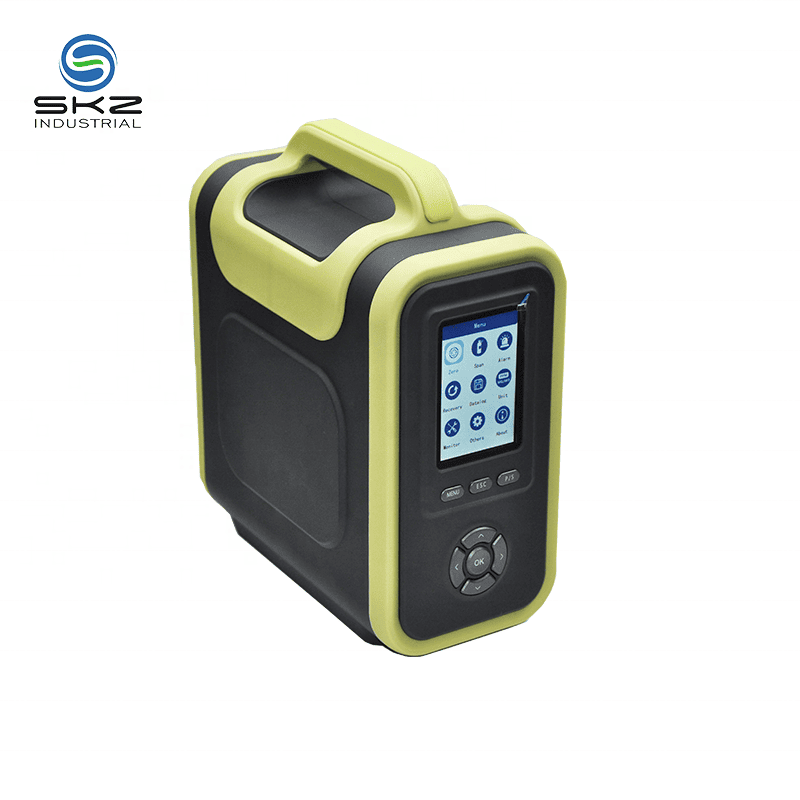
Looking at real world examples where facilities installed SKZ equipment shows just how well they meet safety standards. After putting in place these dust monitoring systems, many sites saw their air quality numbers go way up while safety scores improved too. The data collected actually revealed cleaner air overall with fewer harmful particles floating around, which proves why SKZ monitors really make workplaces safer for everyone involved. What worked here could definitely help other businesses looking to tick those compliance boxes and create better conditions for workers. Anyone interested in seeing exactly how these SKZ dust monitors operate should check out our product page for full details.
When dust monitors get connected to HVAC systems, it creates better possibilities for managing air quality in real time. These linked systems can automatically adjust themselves depending on what they detect about dust levels, keeping things comfortable for people working there. The whole setup works to maintain good balance inside buildings by changing how much air comes in and goes out based on actual conditions. This has benefits beyond just worker safety it actually makes buildings run more efficiently too. Many industrial sites have already put these kinds of systems into place, like those using SKZ dust monitoring equipment alongside their heating and cooling infrastructure. What we see from these installations is that combining different technologies leads to smoother operation overall while still delivering cleaner air.
When dust monitors get connected to mist cannon tech, it creates a smart way to tackle airborne dust problems before they become serious issues. These mist cannons spray out tiny water droplets that grab onto dust particles in the air, and when paired with live monitoring equipment, they kick into action right away whenever dust levels start climbing. This kind of instant reaction makes all the difference in factories and construction sites where dust can build up fast and create health hazards. For manufacturing plants and mining operations specifically, combining these two technologies helps cut down on dust pollution significantly while making their dust control plans much more effective. Most forward thinking businesses now see this integration as essential if they want both strong environmental controls without breaking the bank on maintenance costs.
The information gathered from dust monitors plays a big role in developing better air quality strategies over time. When companies look at this data, they get clearer pictures of pollution trends and can build models that predict what might happen next with空气质量. These predictions help set realistic standards for cleaner air in the future. Looking back at past pollution levels alongside today's measurements allows businesses to tweak their environmental rules and prepare for possible problems before they become serious issues. Many factories have already started using dust monitor data to create smarter air management plans. For instance, one steel plant reduced particulate emissions by 30% after analyzing its dust monitor records for six months straight. The insights from these monitoring systems aren't just theoretical benefits either they actually make workplaces safer and help companies stay on the right side of regulations without breaking the bank.
Picking out a good dust monitor means knowing what matters most in these devices, things like how easy they are to calibrate and whether they can log data properly. Getting proper calibration right matters because without it, the numbers just aren't trustworthy anymore, and nobody wants workers breathing in bad air measurements. Data logging capability lets facilities keep track of dust levels over time too, something plant managers need when they want to see trends rather than just spot checks. The interface shouldn't be some complicated maze either. Workers need to glance at screens and understand what's going on quickly if conditions start looking dicey. Dustroid makes some decent options for sure, but don't jump at the first model that comes along. Take a look around different manufacturers and compare specs side by side against what actually happens day to day in operations.
Choosing between portable and fixed dust monitoring systems requires looking at what works best for specific situations. Portable dust monitors give users the ability to move equipment wherever needed, so they work great on construction sites or other places that change frequently. Fixed systems stay put in one location though, providing ongoing data about air quality over time. These are better suited for industrial facilities where dust levels remain constant throughout operations. The cost picture looks different too. Portable units often need checking more regularly because they get moved around so much, but this mobility makes them worth it for certain applications. Fixed installations cost more upfront when first installed, but once set up properly, they tend to need less attention down the road since everything stays in place.
Meeting EPA and OSHA requirements for dust monitoring isn't something facilities can overlook. Dust monitoring equipment needs to comply with rules around allowable exposure levels and how often measurements should happen throughout the day. Regular inspections and spot checks are necessary if companies want to stay on the right side of both agencies. For instance, following OSHA's strict guidelines regarding silica dust exposure protects workers from serious respiratory issues, while keeping up with EPA air quality standards helps avoid costly fines. Most businesses find that going through their compliance documentation every few months makes sense. These periodic assessments allow them to catch any changes in regulations early and adjust their dust control methods accordingly before problems arise.
 Hot News
 EN
EN