Marcus works the night shift at a municipal wastewater treatment plant. He’s used to the stench – hydrogen sulfide, methane, and things that can’t be named. After five years, he barely notices the odor anymore.
Last Tuesday, he was doing a routine round near the primary clarifiers. The fixed gas monitor on the wall flashed green – all clear. His colleague said, “Just another quiet night,” and headed back to the control room.
But Marcus had a habit: he always carried his SKZ1050 gas detector on his hip. The device is palm‑sized, with a rugged high‑strength plastic shell that has survived splashes, drops, and humid conditions.
He turned it on out of habit, not worry. The built‑in sampling pump started pulling air at a high flow rate – quick and powerful. Within two seconds, the digital display jumped. Hydrogen sulfide – at a level well above the safe exposure limit. The fixed monitor was mounted too high, missing the dense gas that had settled in a low trench near the walkway.
Marcus radioed the control room, evacuated the area, and called for forced ventilation. Later, maintenance found a small leak in a seal that would have grown worse as the night went on.
That morning, Marcus didn't brag. He just cleaned his SKZ1050, recharged it, and clipped it back on. Because in his world, the real hero doesn't wear a cape – it wears a plastic shell and beeps when it matters most. ?
? Ever worked in a place where "normal" smell hides real danger? Or know someone who does?
Comment “MARCUS” and we'll DM you a special safety bundle price – because the best alarms are the ones that go off before you feel a thing.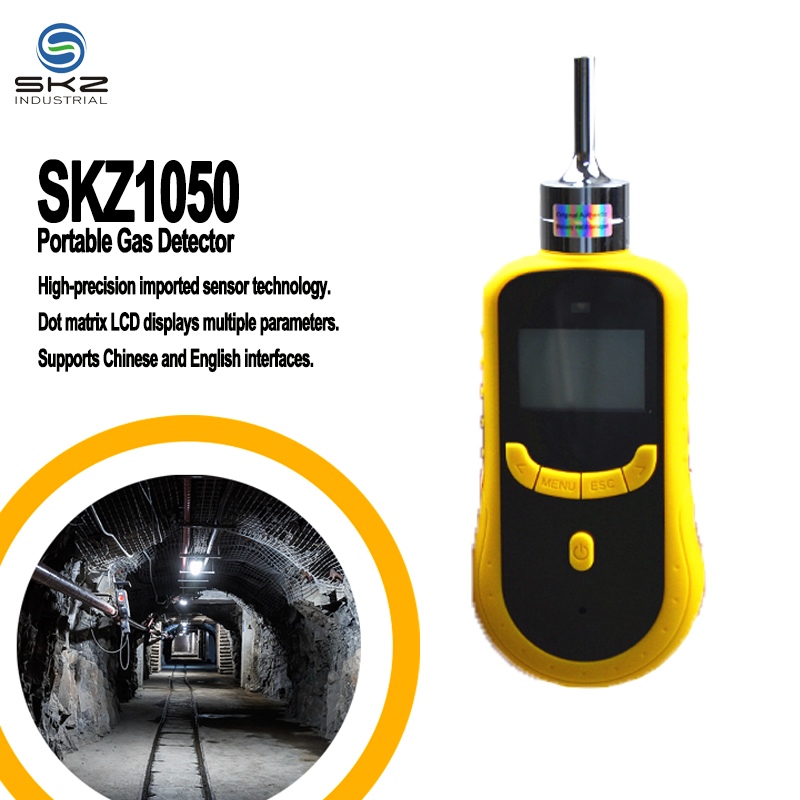
 Hot News
 EN
EN