Nadia works the night shift at a massive frozen food warehouse. Every night, she walks the long corridors of pallets stacked high with meat and vegetables, kept at –18°C by a powerful ammonia refrigeration system.
Ammonia is efficient – but it’s also unforgiving. A tiny leak can go unnoticed for hours because, at low concentrations, it barely smells. The safety manual says “check the sensors,” but the fixed monitors are mounted high on the walls, far from the pipe joints where leaks actually start.
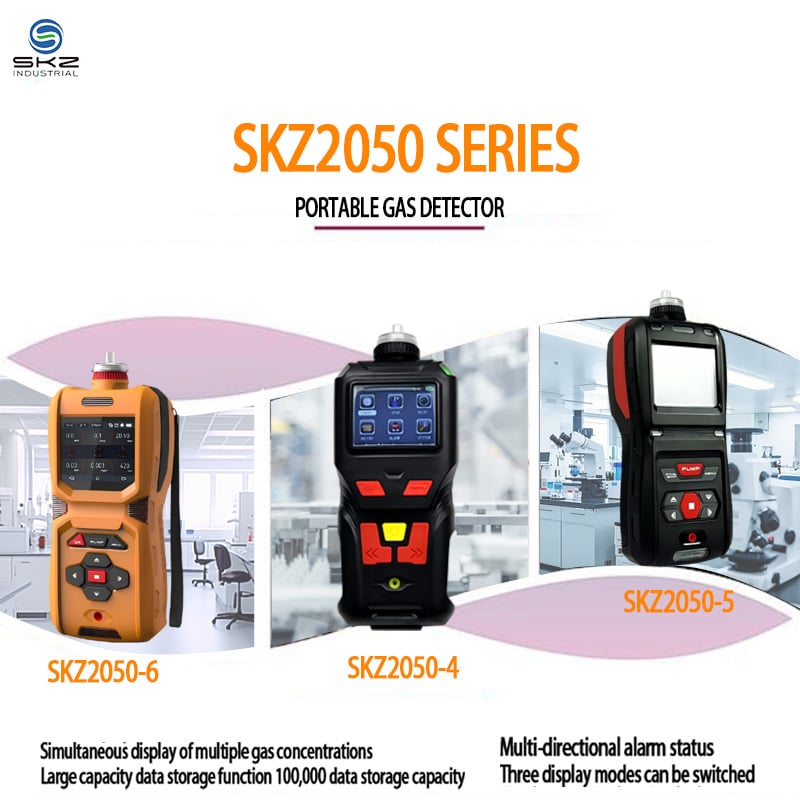
That’s why Nadia never clocks in without her SKZ1050 gas detector clipped to her jacket pocket. It’s small – about the size of a smartphone – and its rugged engineering‑plastic shell doesn’t crack in the bitter cold. She’s dropped it twice on the icy floor; it still works perfectly.
Last Tuesday, during a routine walk‑by of an older compressor unit, she pulled out the SKZ1050 out of habit. The built‑in sampling pump hummed to life, pulling air through a narrow gap near a valve stem. Within three seconds – faster than she expected – the digital readout spiked. A faint ammonia trace, well below what her nose could detect, was seeping out.
She radioed maintenance, isolated the valve, and the repair team tightened the fitting before it could become a real problem. Later, the engineer told her that if that leak had grown overnight, the entire compressor room could have triggered an alarm – or worse, a shutdown that would ruin half the inventory.
Nadia just shrugged: “That’s why I carry this little thing. It doesn’t guess – it tells.”
? She’s right. The SKZ1050 isn’t a hero. It’s just a tool that works – fast, accurate, and tough enough for any environment you throw at it.
? Do you work in cold storage, or know someone who does?
Comment “NADIA” and we’ll DM you a special winter‑safety bundle offer – because the best warnings are the ones you get before you smell a thing.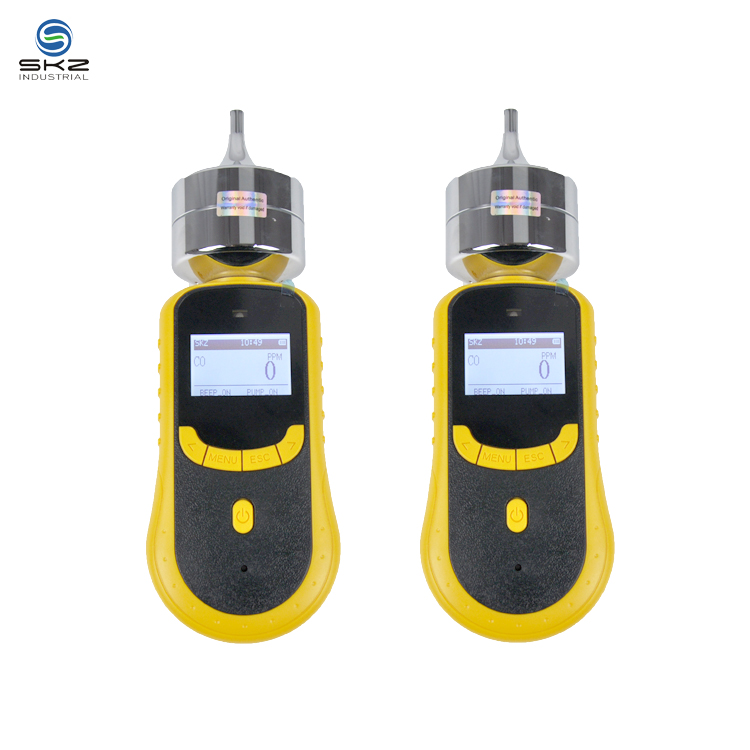
 Hot News
 EN
EN